
 704-377-3737






Crashes involving 18-wheelers and commercial trucks are often far more complicated than car accidents. When a large commercial vehicle collides with a passenger vehicle, the results can be catastrophic. The size, weight, and force of a commercial truck can cause severe injuries, extensive property damage, and long-term medical consequences for those involved.
Beyond the physical harm these crashes cause, truck accident claims often involve complicated legal and insurance issues. In North Carolina, several factors make commercial truck accident cases especially complex. Understanding these challenges can help injured victims recognize why careful investigation and legal guidance are often necessary after a serious crash.
The Size and Weight of Commercial Trucks Increase the Severity of Crashes
One of the most obvious differences between a commercial truck accident and a typical car crash is the size of the vehicle involved. A fully loaded tractor-trailer can weigh up to 80,000 pounds, while most passenger vehicles weigh only a few thousand pounds.
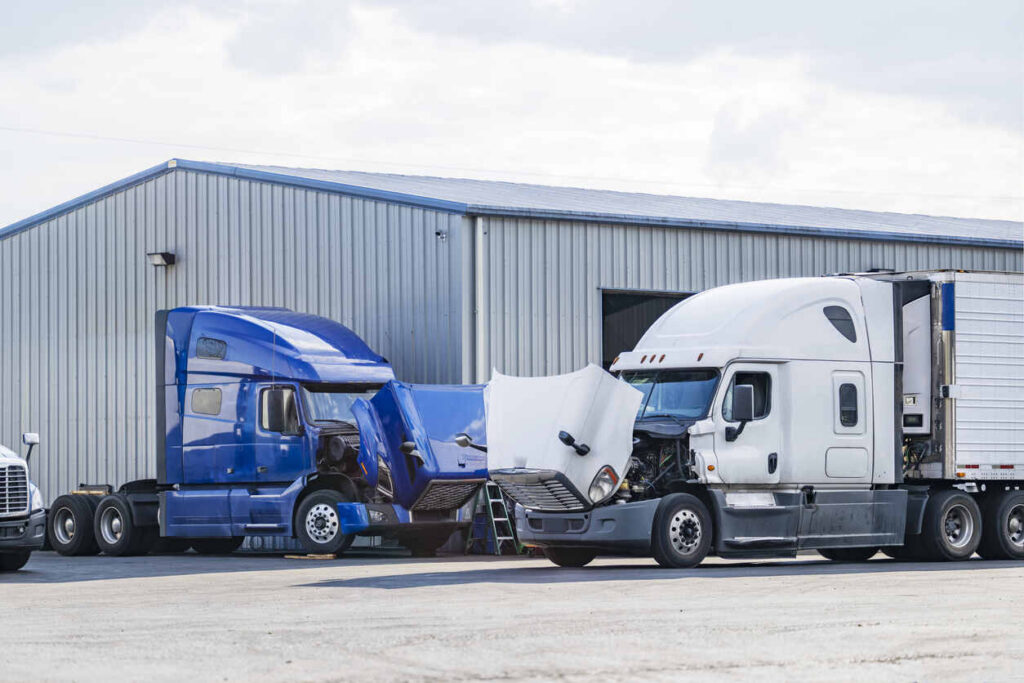
When a collision occurs, this weight difference creates a significant imbalance in force.
Passenger vehicles often absorb the majority of the impact, which can lead to devastating injuries such as:
- Traumatic brain injuries.
- Spinal cord injuries.
- Multiple fractures.
- Internal organ damage.
- Severe neck and back injuries.
The seriousness of these injuries often means higher medical costs, longer recovery periods, and more complex personal injury claims.
Multiple Parties May Be Responsible for a Truck Accident
Unlike most car accidents, which typically involve one or two drivers, commercial truck accidents may involve several parties. Determining who is legally responsible requires careful investigation.
Potentially responsible parties may include:
- The truck driver.
- The trucking company that employs the driver.
- The company responsible for loading cargo.
- The owner of the truck or trailer.
- Maintenance contractors responsible for servicing the vehicle.
- Manufacturers of defective truck components.
Each party may have separate insurance coverage and legal defenses. Identifying all responsible parties is an important part of pursuing compensation.
Federal and State Regulations Govern the Trucking Industry
Commercial trucking is heavily regulated at both the federal and state levels. Truck drivers and trucking companies must follow strict safety rules designed to reduce the risk of accidents.
Some of the regulations that may be relevant in a truck accident investigation include:
- Hours-of-service limits that regulate how long drivers may operate without rest.
- Vehicle maintenance and inspection requirements.
- Weight and cargo securement rules.
- Driver qualification and training standards.
When trucking companies or drivers fail to follow these regulations, it can increase the risk of serious crashes. Evidence of regulatory violations may play an important role in determining liability.
Evidence in Truck Accident Cases Can Be Highly Technical
Truck accident cases often require reviewing complex technical evidence that is not typically present in standard car crash claims.
Important evidence may include:
- Electronic logging device (ELD) data showing driver hours.
- Truck “black box” data recording speed and braking activity.
- Driver qualification and employment records.
- Maintenance and inspection logs.
- Cargo loading documentation.
Because trucking companies often move quickly to secure or control this evidence after a crash, early investigation can be critical.
Insurance Coverage in Truck Accident Cases Is Often More Complicated
Commercial trucking companies typically carry larger insurance policies than individual drivers. While this may seem beneficial for injured victims, it also means that insurers often aggressively defend these claims.
Multiple insurance policies may apply to a single crash.
Coverage can depend on factors such as:
- Whether the driver was working at the time of the crash.
- Who owned the truck and trailer.
- Whether a third-party contractor was involved.
- Whether cargo companies played a role.
These overlapping policies can lead to disputes between insurers about who should pay for damages.
Serious Injuries Often Lead to Long-Term Financial Consequences
The injuries caused by truck accidents are often severe enough to affect a person’s life for years. Some victims face permanent disabilities or long-term medical needs.
Compensation in a truck accident claim may include damages for:
- Medical expenses.
- Future medical care.
- Lost wages.
- Reduced earning capacity.
- Pain and suffering.
- Long-term rehabilitation or assistance.
Evaluating the full impact of these injuries requires careful documentation and, in some cases, expert analysis.
How Our Charlotte Personal Injury Attorneys Can Help
Commercial truck accident cases require a detailed understanding of both personal injury law and the trucking industry. Our attorneys at Dewey, Ramsay & Hunt, P.A. understand how these crashes occur and how insurance companies approach these claims.
We investigate truck accident cases by reviewing available evidence, identifying responsible parties, and working with experts when necessary. Our goal is to build a clear picture of what happened and pursue compensation for the losses our clients have suffered.
Get Help After a Truck Accident in Charlotte
If you were injured in an accident involving an 18-wheeler or commercial truck in Charlotte or anywhere in North Carolina, you may be facing complex legal and insurance issues. Understanding your rights and options is an important first step.
Our personal injury attorneys at Dewey, Ramsay & Hunt, P.A. can review the details of your accident and explain how North Carolina law may apply to your case. Call 704-377-3737 or contact us online today for a free consultation. We provide unique legal services tailored to each client’s needs and do not get paid unless you do.
Your Injury, Our Fight. How can we help you take a stand?
Because every case is different, the descriptions of awards and issues previously handled by our law firm do not guarantee a similar outcome in current or future cases.
Author

Martha Ramsay has been fighting for injured workers and accident victims for more than twenty years. She obtained her law degree at SUNY Buffalo School of Law. After working for a few law firms, she decided to embark on her next career move and opened her own law firm in 2004, where she has successfully continued to grow her business year after year.
