Get Our Insider to Property Damage Brochure


What to Know if You’ve Been Hit By a Company Vehicle in North Carolina
March 24, 2026Being involved in a crash is stressful under any circumstances. When a company owns the vehicle that hit you or was being driven for work purposes, the situation can become even more complicated. Many people assume that the driver alone is responsible for the accident. In reality, company-vehicle crashes often involve additional legal and insurance issues that do not arise in typical car accident claims.
In North Carolina, determining responsibility after a crash involving a company vehicle requires careful investigation. The driver may be liable, but the employer, vehicle owner, or another party may also share responsibility depending on the circumstances. Understanding how these cases work can help injured victims protect their rights and pursue compensation for their losses.
Why Company Vehicle Accidents Are Different
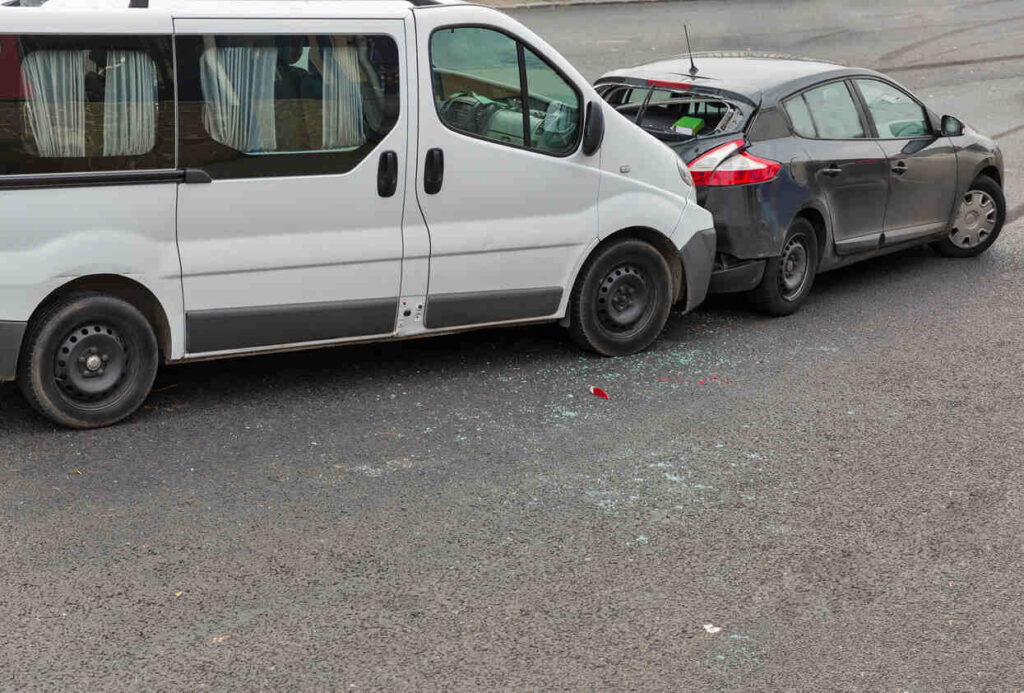
A company vehicle accident is not always handled the same way as a standard crash between two private drivers. When someone is operating a vehicle as part of their job duties, their employer may be legally responsible for their actions.
This legal principle is often referred to as employer liability. In many cases, if a driver causes an accident while performing work-related tasks, the employer may also be responsible for the resulting damages.
This distinction can significantly affect how a claim is investigated and which insurance policies may apply.
When an Employer May Be Responsible for the Crash
Employers may be held responsible for accidents caused by their employees under certain conditions. A key factor is whether the driver was acting within the scope of their employment at the time of the crash.
Examples of work-related driving may include:
- Delivering goods or packages.
- Driving to meet with clients or customers.
- Traveling between job sites.
- Operating a service vehicle for maintenance or repair work.
- Driving a company truck or fleet vehicle as part of job duties.
If the driver was performing job-related tasks at the time of the accident, the employer may share liability for the crash.
Types of Company Vehicles Commonly Involved in Crashes
Company vehicle accidents can involve many different types of vehicles. Some are clearly marked with company branding, while others may look like standard passenger vehicles.
Examples include:
- Delivery vans and package trucks.
- Utility and service vehicles.
- Construction trucks and work trucks.
- Fleet vehicles used by sales representatives.
- Corporate cars assigned to employees.
- Vehicles used by contractors or subcontractors.
Identifying who owns the vehicle and how it was being used is an important part of determining responsibility.
Multiple Insurance Policies May Apply
One reason company vehicle accident claims can be complicated is that multiple insurance policies may apply. In addition to the driver’s personal auto insurance, the employer may carry commercial liability coverage.
Commercial auto insurance policies often have higher coverage limits than personal policies. However, insurers may dispute whether a policy applies depending on the details of the accident.
Questions that may affect insurance coverage include:
- Whether the driver was working at the time of the crash.
- Whether the company or the employee owned the vehicle.
- Whether the driver was using the vehicle for personal reasons.
- Whether the employer required the use of the vehicle for work.
Sorting out these issues may require reviewing employment records, company policies, and insurance documents.
Delivery and Service Drivers Are Frequently Involved in These Crashes
In growing cities like Charlotte, company vehicles are increasingly present on the roads. Delivery drivers, service technicians, and contractors often spend hours driving between locations during the workday.
Because these drivers may be under pressure to meet schedules or complete multiple service calls, certain risks may increase, such as:
- Distracted driving while using navigation or communication devices.
- Speeding to meet delivery deadlines.
- Frequent stops and sudden turns.
- Fatigue after long work shifts.
When these factors contribute to a crash, determining liability can become more complex.
Evidence Can Be Especially Important in Company Vehicle Cases
Investigating a crash involving a company vehicle may require gathering additional types of evidence beyond what is typically needed in a standard car accident claim.
Important evidence may include:
- Police crash reports and witness statements.
- Employment records showing the driver’s work duties.
- Vehicle ownership documentation.
- Company policies related to vehicle use.
- Maintenance and inspection records for the vehicle.
- Electronic data or GPS records showing the vehicle’s location.
This information can help determine whether the driver was acting within the scope of employment and whether the employer may share responsibility.
How Our Charlotte Personal Injury Attorneys Can Help
Accidents involving company vehicles can raise complicated legal and insurance questions. Determining who is responsible often requires reviewing employment relationships, insurance coverage, and the specific circumstances of the crash.
Our attorneys at Dewey, Ramsay & Hunt, P.A. understand how these cases are investigated and how insurance companies approach claims involving commercial vehicles. We work to identify responsible parties, gather evidence, and pursue compensation for the injuries and losses our clients have suffered.
Get Help After a Company Vehicle Accident in North Carolina
If you were injured in a crash involving a company vehicle in Charlotte or elsewhere in North Carolina, you may have legal options. Determining who is responsible and what insurance coverage applies can be an important step toward recovering compensation.
Our personal injury attorneys at Dewey, Ramsay & Hunt, P.A. are ready to review your case and help you understand your next steps. Call 704-377-3737 or contact us online today for a free consultation. We provide unique legal services tailored to each client’s needs and do not get paid unless you do.
Your Injury, Our Fight. How can we help you take a stand?
Because every case is different, the descriptions of awards and issues previously handled by our law firm do not guarantee a similar outcome in current or future cases.