Get Our Insider to Property Damage Brochure


How Can I Get Compensation from a Weather-Related Accident in Charlotte?
January 5, 2026Charlotte drivers are no strangers to sudden weather changes. Heavy rain, fog, ice, and severe storms can turn familiar roads into hazardous conditions in minutes. When a weather-related accident happens, many injured people assume the weather itself is to blame and that compensation is not possible. In reality, North Carolina law does not excuse negligent driving simply because conditions were poor.
Understanding how compensation works after a weather-related accident in Charlotte can help you protect your rights and avoid costly assumptions that insurance companies often rely on.
Weather Alone Does Not Automatically Cause an Accident
One of the most common misconceptions after a weather-related crash is that no one is at fault because the conditions were bad. While the weather can contribute to an accident, drivers are still legally required to adjust their behavior to match road conditions.
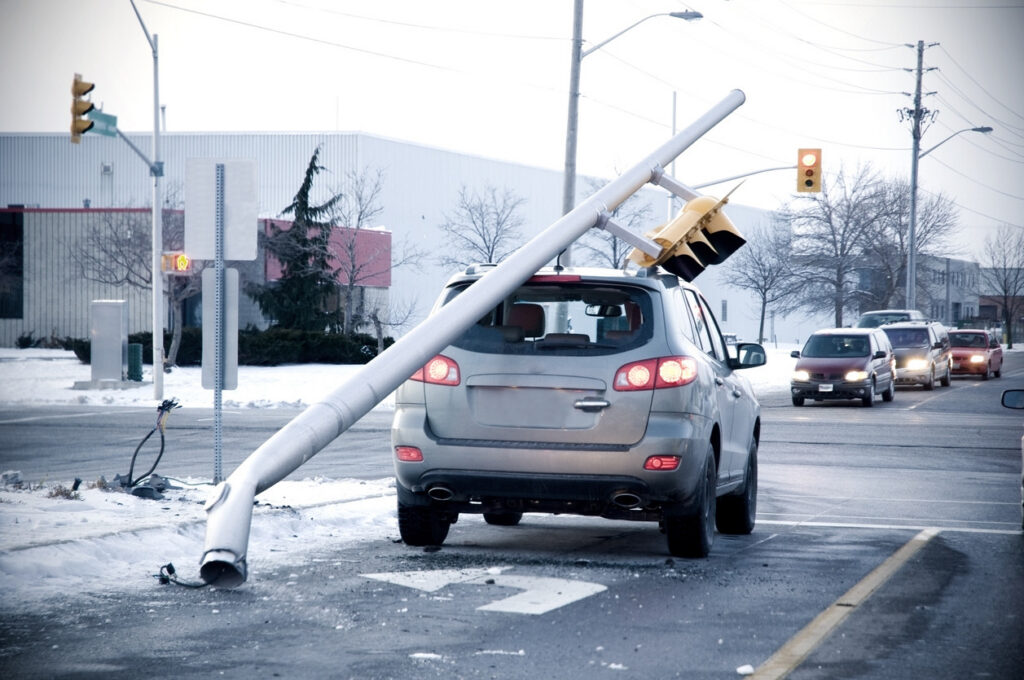
This includes:
- Reducing speed during rain, fog, or ice.
- Increasing following distance.
- Using headlights and hazard lights appropriately.
- Avoiding sudden braking or unsafe lane changes.
- Maintaining control of the vehicle at all times.
If a driver fails to take these precautions and causes a crash, they may still be held legally responsible, even if the weather contributed to the crash.
How Fault Is Determined After a Weather-Related Crash
Compensation after a weather-related accident depends on whether another party acted negligently under the circumstances. Investigators and insurance companies look closely at how each driver responded to the conditions at the time of the crash.
Key factors often include:
- Speed relative to road and weather conditions.
- Following distance.
- Visibility and use of headlights.
- Whether the driver lost control of the vehicle.
- Traffic signal compliance.
- Skid marks, vehicle damage, and crash reconstruction evidence.
Police reports and witness statements also play an essential role in determining fault. A crash caused by hydroplaning, for example, may still be attributed to a driver who was traveling too fast for wet roads.
The Impact of North Carolina’s Contributory Negligence Rule
North Carolina follows a strict contributory negligence rule. This means that if an injured person is found even slightly at fault for the accident, they may be barred from recovering compensation.
Insurance companies frequently invoke this rule to argue that weather conditions contributed to the crash and that the injured driver bears some responsibility. Common arguments include claims that the injured driver was driving too fast, following too closely, or failed to respond appropriately to changing conditions.
Because of this rule, weather-related accident claims require careful handling and substantial evidence to show that another party’s negligence caused the crash.
Types of Compensation Available After a Weather-Related Accident
If you can establish that another driver acted negligently, you may be able to recover compensation for losses related to the accident.
Depending on the circumstances, compensation may include:
- Medical expenses for emergency care, treatment, and rehabilitation.
- Lost wages and reduced earning capacity.
- Pain and suffering related to physical injuries.
- Future medical care for ongoing or worsening conditions.
- Property damage to your vehicle.
The value of a claim depends on the severity of injuries, the strength of the evidence, and the ability to counter contributory negligence defenses.
Why Weather-Related Accident Claims Are Often Challenged
Insurance companies aggressively challenge weather-related accident claims because adverse conditions create opportunities to shift blame. Adjusters may argue that the crash was unavoidable or that both drivers shared responsibility due to the weather.
These claims often hinge on technical details, such as speed calculations, braking distance, road design, and visibility. Without proper documentation and investigation, injured people may find their claims delayed, denied, or undervalued.
How a Charlotte Personal Injury Attorney Can Help
Weather-related accident claims are not straightforward, especially under North Carolina’s contributory negligence law. An experienced Charlotte personal injury attorney can investigate the crash, identify evidence of negligence, and challenge insurer attempts to shift blame.
Legal representation may involve reviewing police reports, analyzing accident reconstruction evidence, consulting experts, and managing communication with insurance companies. This allows injured individuals to focus on recovery while their claim is handled carefully and strategically.
Get Guidance After a Weather-Related Accident in Charlotte
If you were injured in a weather-related accident in Charlotte, you may still have options for compensation. Do not assume that weather alone prevents recovery or accept an insurance company’s explanation without understanding your rights.
The personal injury attorneys at Dewey, Ramsay & Hunt, P.A. can review the details of your accident, explain how North Carolina law applies, and help you determine the best path forward.
Call 704-377-3737 or contact us online today for a free consultation. We provide unique legal services tailored to each client’s needs and do not get paid unless you do.
Your Injury, Our Fight. How can we help you take a stand?
Because every case is different, the descriptions of awards and issues previously handled by our law firm do not guarantee a similar outcome in current or future cases.