Get Our Insider to Property Damage Brochure


Medical Evidence in Injury Cases: How Treatment Records, Imaging, and Experts Shape Settlements
February 8, 2026After an injury, medical care is about more than just getting treatment. Medical records also become one of the most important forms of evidence in a personal injury claim. Insurance companies rely heavily on medical documentation when deciding whether to accept a claim, dispute it, or make a settlement offer.
Many injured people are surprised to learn how closely their medical records are examined. Every doctor visit, test, and note can influence how a case is evaluated. Understanding how medical evidence is used can help you see why consistent treatment and proper documentation matter.
Why Medical Evidence Matters in Injury Claims
A personal injury claim requires proof that an accident caused your injuries. Medical evidence helps establish that connection.
Medical records can help show:
- That you were injured.
- When the injury occurred.
- What treatment was required?
- How serious the injury is.
- Whether ongoing care is needed.
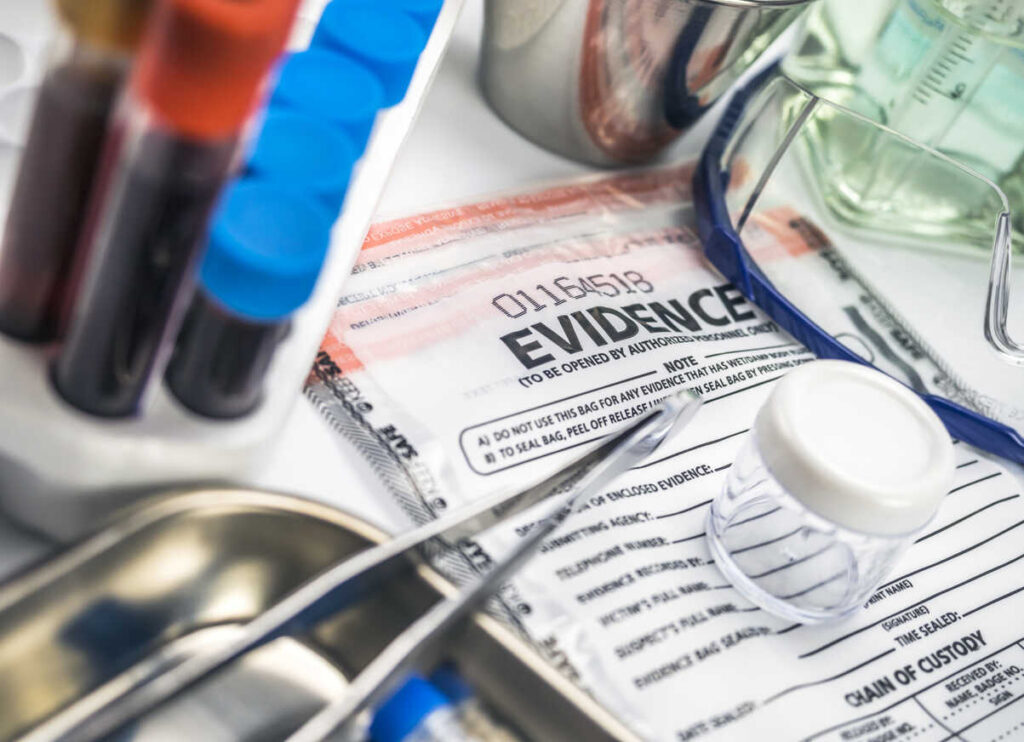
Without medical evidence, insurers may argue that injuries are minor, unrelated, or caused by something else.
Treatment Records Tell the Story of Your Injury
Treatment records include notes from emergency rooms, urgent care clinics, hospitals, and doctors’ offices. These records document your symptoms, diagnoses, and treatment plans.
They may show:
- Your initial complaints after the accident.
- Physical findings during exams.
- Prescribed medications or therapy.
- Referrals to specialists.
Consistent treatment helps demonstrate that your injuries are real and persistent. Large gaps in care may raise questions about whether you were truly injured or whether your condition improved quickly.
The Importance of Getting Care Promptly
Delays in treatment often become a major issue in injury cases. Insurance companies frequently argue that waiting to seek care means the injury was not serious or was caused by something else.
Seeing a medical provider as soon as possible after an accident creates a clear record linking your injuries to the event. Even if symptoms seem mild, early evaluation can be important.
How Imaging Supports Injury Claims
Imaging studies provide objective evidence of injuries by creating visual documentation of internal damage, rather than relying only on a patient’s description of pain.
Common imaging tests include:
- X-rays.
- MRIs.
- CT scans.
- Ultrasounds.
Imaging can reveal fractures, herniated discs, soft tissue damage, and internal injuries. These findings often carry significant weight because they do not rely solely on patient reports of pain. Imaging that confirms certain conditions can strengthen a claim.
What Expert Opinions Contribute
In some cases, medical experts are asked to review records and offer opinions. These experts may be treating physicians or independent specialists.
Experts may address:
- Whether the accident caused the injury.
- Whether the treatment provided was reasonable.
- Whether future care may be necessary.
- How the injury affects daily activities or work.
Expert opinions can help explain complex medical issues in a way that insurers and, if necessary, juries can understand.
How Medical Evidence Affects Settlement Value
Settlement value refers to the amount of money an insurance company may be willing to offer to resolve a claim.
Medical evidence influences settlement discussions by:
- Showing injury severity.
- Demonstrating treatment length and intensity.
- Supporting the need for future care.
- Linking lost wages to medical restrictions.
Stronger medical documentation often leads to more serious consideration of a claim. Weak or inconsistent records may result in lower offers or denials.
Common Medical Evidence Issues Insurance Companies Raise
Insurers often look for reasons to challenge medical evidence to reduce the value of a claim or deny it altogether.
Common arguments include:
- The injury existed before the accident.
- Treatment was excessive or unnecessary.
- The patient stopped treatment too soon.
- The injury healed quickly.
Addressing these issues usually requires careful review of records and, sometimes, expert input.
What You Can Do to Protect Your Claim
You can help protect your claim by:
- Follow your doctor’s treatment recommendations.
- Attending scheduled appointments.
- Being honest about symptoms.
- Keeping copies of medical records and bills.
These steps help create a consistent medical history.
How Our Attorneys Use Medical Evidence
Our attorneys at Dewey, Ramsay & Hunt, P.A. review medical records, work with healthcare providers, and identify expert support when appropriate. We organize medical evidence to clearly show how an accident caused your injuries and how those injuries affect your life.
If you were injured in an accident in Charlotte or anywhere in North Carolina, our personal injury attorneys in Charlotte can explain how medical evidence may shape your case. Call 704-377-3737 or contact us online for a free consultation. We provide unique legal services tailored to each client’s needs and do not get paid unless you do.
Your Injury, Our Fight. How can we help you take a stand?
Because every case is different, the descriptions of awards and issues previously handled by our law firm do not guarantee a similar outcome in current or future cases.
Related Blogs
- Medical Payments: An Extra Layer Of Protection For Drivers
- How Soon After a North Carolina Car Accident Should I Seek Medical Attention?
- Who Pays My Medical Bills After Suffering a Personal Injury in North Carolina?
- The Importance of Medical Evidence in Orthopedic Injury Claims in North Carolina
- How Medical Records Impact Personal Injury Claims in North Carolina
- How Do I Know If My North Carolina Vehicle Insurance Includes Medical Payments Coverage?