
 704-377-3737





North Carolina’s contributory negligence rule is one of the strictest in the country. In many cases, if an injured person is found even slightly at fault for an accident, they may be barred from recovering compensation entirely. For many people, that raises an important question: Are there any exceptions to this rule?
One area that often confuses is the role of punitive damages. Some injured victims hear that certain types of extreme or reckless behavior may change how a case is evaluated. Understanding how punitive damages interact with contributory negligence in North Carolina can help clarify what may or may not be possible in your case.
What Is Contributory Negligence in North Carolina?
Contributory negligence is a legal doctrine that focuses on whether the injured person contributed to the accident in any way. If the answer is yes, even to a small degree, recovery may be barred.
This rule applies across many types of personal injury cases, including:
Insurance companies frequently rely on contributory negligence as a defense because it can eliminate their obligation to pay a claim. Even minor allegations of fault can become central to how a case is handled.
What Are Punitive Damages?
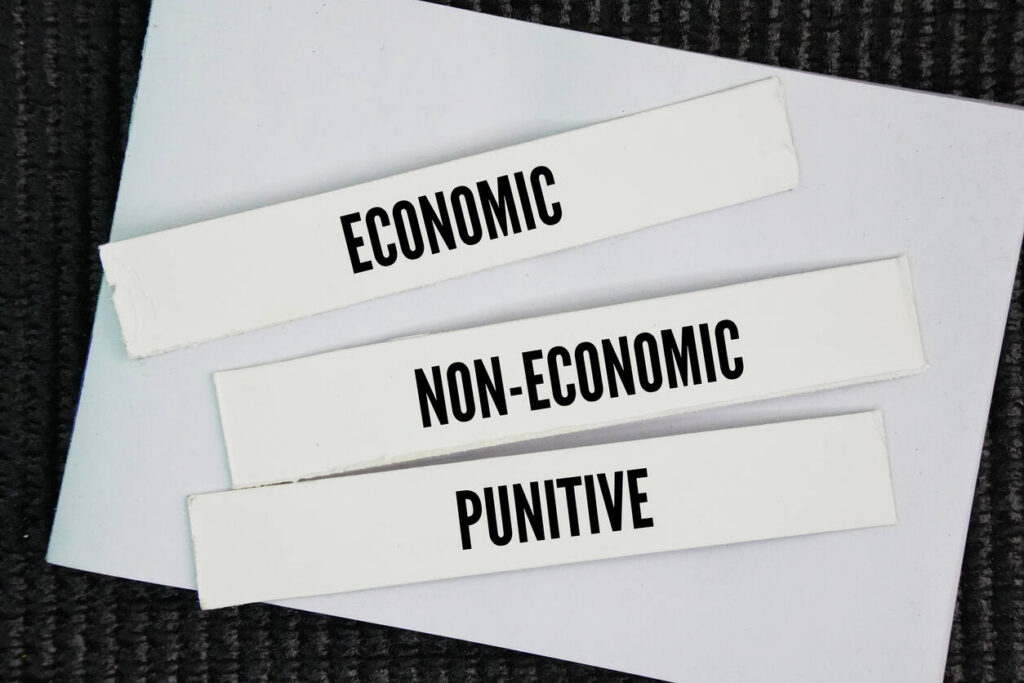
Punitive damages are different from the compensation typically sought in a personal injury claim. Most damages are intended to compensate an injured person for losses such as medical expenses, lost income, and pain and suffering.
Punitive damages serve a different purpose.
They are intended to:
- Punish particularly harmful behavior.
- Deter similar conduct in the future.
- Address actions that go beyond ordinary negligence.
In North Carolina, punitive damages are generally reserved for cases involving willful or wanton conduct. This may include behavior that shows a conscious disregard for others’ safety, rather than a simple mistake or lapse in judgment.
Do Punitive Damages Override Contributory Negligence?
This is where the issue becomes more nuanced. Punitive damages do not automatically “override” contributory negligence in the way many people assume. The existence of punitive damages does not, by itself, guarantee that an injured person can recover compensation if they are found partially at fault.
However, there is an important legal distinction.
In some cases, when a defendant’s conduct rises to the level of willful or wanton behavior, it may affect how contributory negligence is evaluated. Courts may treat this type of conduct differently from ordinary negligence because it reflects a higher degree of wrongdoing.
That said, these situations are fact-specific and often heavily contested. It is not enough to claim that the other party acted recklessly. The evidence must support that the conduct went beyond ordinary carelessness.
What Is “Willful or Wanton” Conduct?
Willful or wanton conduct involves more than a simple driving error or momentary distraction. It generally refers to behavior that shows a conscious, intentional disregard for others’ safety.
Examples may include:
- Driving under the influence of alcohol or drugs.
- Excessive speeding in dangerous conditions.
- Knowingly ignoring serious safety risks.
- Engaging in aggressive or reckless driving behavior.
This type of conduct can become central to a case because it may influence both liability arguments and the potential for punitive damages.
Why This Distinction Matters in Injury Claims
The difference between ordinary negligence and willful or wanton conduct can significantly affect how a case is evaluated. Insurance companies often try to frame accidents as simple mistakes to limit exposure.
If the conduct can be shown to rise above ordinary negligence, it may:
- Strengthen arguments against contributory negligence defenses.
- Increase the claim’s potential value.
- Shift how fault and responsibility are viewed.
However, proving this level of conduct requires strong evidence and careful legal analysis.
Evidence That May Support a Punitive Damages Claim
Because punitive damages involve a higher standard of misconduct, the evidence required is often more detailed and specific.
Important evidence may include:
- Police reports indicating impairment or reckless behavior.
- Witness statements describing dangerous actions.
- Traffic camera or surveillance footage.
- Accident reconstruction findings.
- Prior violations or patterns of unsafe conduct.
This type of evidence helps establish whether the defendant’s actions went beyond ordinary negligence.
Why Insurance Companies Fight These Claims Aggressively
Cases involving punitive damages and contributory negligence are often heavily contested. Insurance companies recognize the financial exposure associated with these claims and may work to minimize or avoid liability.
Common strategies may include:
- Arguing that the conduct was not willful or wanton.
- Attempting to shift partial blame onto the injured person.
- Challenging the credibility of evidence or witnesses.
Because contributory negligence can completely bar recovery, insurers often focus heavily on even minor allegations of fault.
How Our Charlotte Personal Injury Attorneys Approach These Cases
Understanding how contributory negligence and punitive damages interact requires a detailed evaluation of the facts and evidence. These cases are rarely straightforward and often depend on how the conduct is characterized and supported.
Our Charlotte personal injury attorneys at Dewey, Ramsay & Hunt, P.A. carefully investigate accidents, analyze available evidence, and assess whether a defendant’s behavior may rise to the level of willful or wanton conduct. We also work to anticipate and challenge contributory negligence arguments that insurance companies may raise.
By building a strong factual record, our attorneys aim to protect our clients’ ability to pursue compensation under North Carolina law.
Get Help Understanding Your Injury Claim in North Carolina
If you were injured in an accident in Charlotte or anywhere in North Carolina, questions about contributory negligence and punitive damages may directly affect your case. These legal concepts can be complex, and small details can make a significant difference in the outcome.
Our personal injury attorneys at Dewey, Ramsay & Hunt, P.A. are ready to review your case, explain how the law applies, and help you determine the best path forward.
Call 704-377-3737 or contact us online today for a free consultation. We provide unique legal services tailored to each client’s needs and do not get paid unless you do.
Your Injury, Our Fight. How can we help you take a stand?
Because every case is different, the descriptions of awards and issues previously handled by our law firm do not guarantee a similar outcome in current or future cases.
Author

Attorney Brian Hunt earned his Juris Doctorate from Elon University School of Law. Mr. Hunt cut his teeth as an attorney working relentlessly on a three-week trial in Mooresville, NC, which is where he first met Mr. Dewey. Mr. Hunt & Mr. Dewey were able to settle the claim to the satisfaction of all parties involved.
