
 704-377-3737





As Charlotte continues to grow, more people are sharing the road with cyclists, scooter riders, and pedestrians. While increased mobility is a positive trend, it also creates new risks. One of the most dangerous and misunderstood of these risks is the dooring accident.
A dooring accident occurs when a driver or passenger opens a vehicle door into the path of an oncoming cyclist or rider. These crashes in North Carolina often happen suddenly, leaving little or no time to react. The result can be severe injuries, costly medical treatment, and complex legal questions about fault and compensation.
How Dooring Accidents Typically Happen
Dooring accidents most commonly occur on city streets where vehicles are parked alongside bike lanes or shared roadways. A cyclist traveling lawfully near the curb may collide with a door that opens unexpectedly.
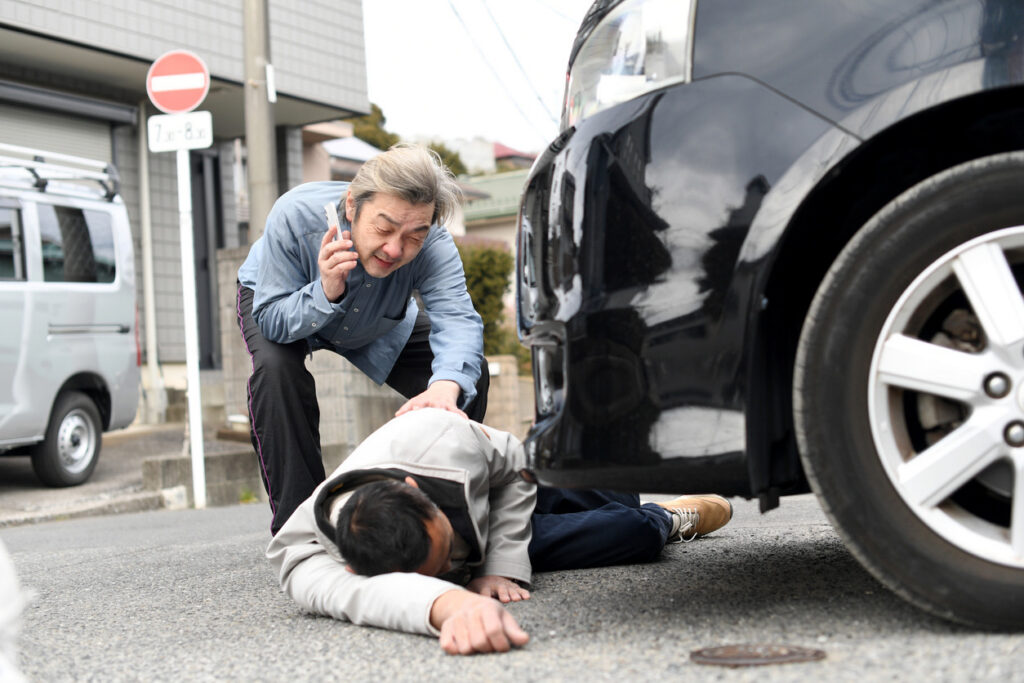
Common dooring scenarios include:
- A parked driver opens a door without checking for approaching cyclists.
- A passenger exiting a rideshare or personal vehicle into a bike lane.
- A driver opening a door while distracted or using a phone.
- A door opening into traffic, forcing a cyclist to move past moving vehicles.
Because cyclists are exposed and unprotected, even low-speed impacts can result in serious injuries.
Injuries Commonly Caused by Dooring Accidents
Dooring accidents often result in injuries that require immediate and ongoing medical care. These injuries may impair a person’s ability to work, commute, or engage in daily activities.
Common injuries include:
- Traumatic brain injuriesand concussions.
- Broken bonesin the arms, wrists, collarbones, or ribs.
- Neck and back injuries, including herniated discs.
- Facial injuries and dental trauma.
- Internal injuries and soft tissue damage.
In many cases, the cyclist is thrown into traffic or onto the pavement, increasing the severity of harm.
Are Dooring Accidents Illegal in North Carolina?
Some cities in North Carolina have local ordinances that require drivers and passengers to open vehicle doors safely and only when it is reasonably safe to do so. Opening a door into traffic or a bike lane without checking for approaching cyclists may be considered negligent behavior.
Cyclists have the right to share the roadway and use bike lanes where permitted. When a dooring accident occurs, liability often depends on whether the person opening the door failed to exercise reasonable care under the circumstances.
Who May Be Responsible for a Dooring Accident?
Liability in a dooring accident may extend beyond just the person who opened the door.
Depending on the situation, responsible parties may include:
- The driver of the vehicle.
- A passenger who opened the door.
- A rideshare driver or passenger.
- An employer, if the car was being used for work purposes.
In rideshare cases, determining responsibility can be more complex due to layered insurance coverage and corporate policies.
How Our Attorneys Help After a Dooring Accident
Dooring accident cases involve unique challenges, including disputed fault and contributory negligence defenses. Our attorneys understand how these cases are investigated and how insurers attempt to minimize responsibility.
Our attorneys can review the crash circumstances, gather evidence, identify responsible parties, and pursue compensation for medical expenses, lost income, and pain and suffering. Early legal guidance helps ensure your claim is handled carefully and strategically.
Get Help After a Dooring Accident in Charlotte
If you were injured in a dooring accident in Charlotte or anywhere in North Carolina, you may have options for compensation. Do not assume the accident was unavoidable or that you are at fault.
Our personal injury attorneys at Dewey, Ramsay & Hunt, P.A. are ready to review your case, explain how North Carolina law applies, and help you determine the best next steps.
Call 704-377-3737 or contact us online today for a free consultation. We provide unique legal services tailored to each client’s needs and do not get paid unless you do.
Your Injury, Our Fight. How can we help you take a stand?
Because every case is different, the descriptions of awards and issues previously handled by our law firm do not guarantee a similar outcome in current or future cases.
Author

Martha Ramsay has been fighting for injured workers and accident victims for more than twenty years. She obtained her law degree at SUNY Buffalo School of Law. After working for a few law firms, she decided to embark on her next career move and opened her own law firm in 2004, where she has successfully continued to grow her business year after year.
