Get Our Insider to Property Damage Brochure


Which Cities in North Carolina Have the Most Truck Crashes?
January 27, 2026Commercial trucks play a critical role in North Carolina’s economy, but their presence on busy roads also increases the risk of serious crashes. When a large truck is involved in a collision, the results are often severe due to the size and weight of these vehicles. Many people wonder whether truck accidents are more common in specific cities across North Carolina.
While there is no single public ranking that lists truck crashes by city, traffic patterns, population density, and major freight corridors make it clear that truck accidents occur more frequently in North Carolina’s largest and busiest cities. Understanding where these crashes are most likely to happen can help drivers stay alert and help injured victims understand why truck accident cases are often complex.
Why Truck Accidents Are More Common in Large Cities
Truck crashes tend to occur more often in cities with heavy traffic, major interstates, and high levels of commercial activity. Large cities naturally attract more delivery vehicles, freight trucks, and long-haul traffic, all of which increase the likelihood of collisions.
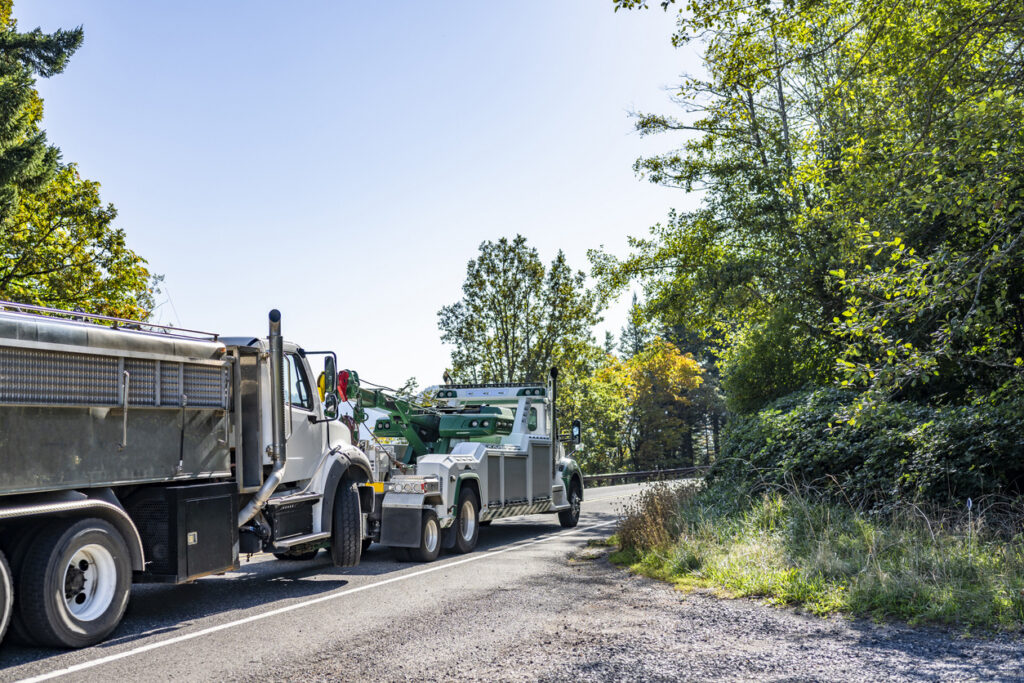
Factors that contribute to higher truck crash rates in urban areas include:
- High traffic volume and congestion.
- Multiple interstate highways converge in one area.
- Frequent lane changes and merging traffic.
- Construction zones and roadway bottlenecks.
- Tight delivery schedules that pressure drivers.
The combination of passenger vehicles, commercial trucks, pedestrians, and work zones creates conditions where a single mistake can lead to a serious or fatal crash.
Charlotte and the Greater Mecklenburg County Area
Charlotte consistently experiences more truck accidents than smaller North Carolina cities. As the state’s largest city and a major transportation hub, Charlotte sits at the intersection of several heavily traveled highways used by commercial trucks.
Major truck routes around Charlotte include I-85, I-77, and I-485. These roadways carry local delivery vehicles, regional freight traffic, and long-haul trucks passing through the city. Congestion during peak hours increases the risk of rear-end collisions, sideswipes, and crashes involving lane changes or sudden stops.
Our attorneys frequently see truck accident cases in and around Charlotte involving delivery trucks, tractor-trailers, and commercial vehicles traveling through densely populated areas.
Raleigh and the Triangle Region
The Raleigh area, including Durham and Chapel Hill, also experiences a significant number of truck crashes. The Triangle region continues to grow rapidly, bringing increased traffic and commercial development.
Major highways serving this area are used by trucks transporting goods between eastern North Carolina, central cities, and neighboring states. As traffic volume increases, so does the likelihood of collisions involving large trucks, particularly during rush hour or in construction zones.
Greensboro and the Piedmont Triad
Greensboro sits along key freight routes connecting eastern and western North Carolina. The Piedmont Triad region, which includes Winston-Salem and High Point, has long been a central hub for manufacturing and distribution.
Trucks frequently travel through this area to move goods across the state. With multiple highways intersecting and a mix of local and through traffic, truck accidents are a recurring concern on Triad roadways.
Fayetteville and Eastern North Carolina Cities
Cities such as Fayetteville see steady truck traffic due to their proximity to major highways and regional distribution routes. Military installations, industrial facilities, and shipping corridors contribute to the presence of commercial vehicles on local roads.
Truck crashes in these areas often occur on highways leading into and out of the city, where speed differentials between trucks and passenger vehicles can be dangerous.
Wilmington and Coastal Areas
Port cities such as Wilmington also experience truck traffic associated with shipping and logistics. Trucks transporting goods to and from ports frequently travel through urban streets that were not initially designed for heavy commercial vehicles.
These conditions can increase the risk of crashes involving turning trucks, blind spots, and limited roadway space.
Why Truck Accident Cases Are Especially Complex
Truck accident cases are more complicated than typical car crashes. Multiple parties may be responsible, including the driver, the trucking company, a contractor, or a vehicle owner. In addition, trucking companies and their insurers often begin investigating immediately after a crash to protect their interests.
North Carolina’s contributory negligence rule further complicates these cases. If an injured person is found even slightly at fault, recovery may be barred entirely. This makes early investigation and careful handling of evidence critical.
How Our Attorneys Help After a Truck Accident
Our attorneys understand how truck accidents occur and why they are more frequent in North Carolina’s largest cities. We know how to investigate these cases, identify responsible parties, and challenge attempts to shift blame onto injured victims.
We work to gather evidence, analyze crash data, review driver records, and pursue compensation for medical expenses, lost income, and long-term harm caused by serious truck collisions.
Get Help After a Truck Accident in North Carolina
If you were injured in a truck accident in Charlotte or another North Carolina city, understanding why and where these crashes happen is only the first step. Protecting your rights requires prompt action and knowledgeable legal guidance.
Our personal injury attorneys at Dewey, Ramsay & Hunt, P.A. are ready to review your case, explain your options, and help you pursue compensation after a truck accident.
Call 704-377-3737 or contact us online today for a free consultation. We provide unique legal services tailored to each client’s needs and do not get paid unless you do. Your Injury, Our Fight. How can we help you take a stand?
Because every case is different, the descriptions of awards and issues previously handled by our law firm do not guarantee a similar outcome in current or future cases.
Related Blogs:
- What to Do After Losing a Loved One to a North Carolina Truck Accident
- What are the Most Common Causes of Commercial Truck Accidents in North Carolina?
- How Mechanical Failures Contribute to North Carolina Truck Accidents
- Truck Driver Fatigue Can Lead to Serious North Carolina Traffic Accidents