 704-377-3737




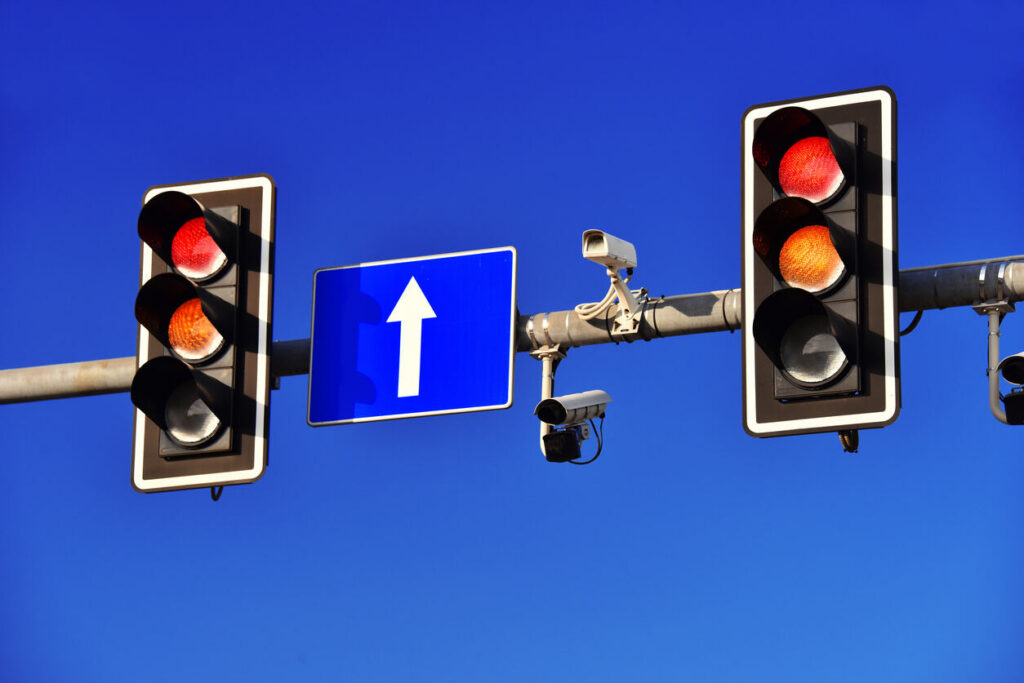
Red-light cameras are intended to improve safety at busy intersections by discouraging drivers from running red lights. These automated systems capture images of vehicles entering an intersection after the traffic signal turns red, and citations are issued to the vehicle’s owner. Supporters argue that these systems help reduce dangerous driving behavior and prevent serious crashes.
However, red-light cameras have also been the subject of significant controversy in North Carolina. Legal challenges, concerns about fairness, and questions about their effectiveness have led to ongoing debate about whether these systems should be used. Understanding why red-light cameras remain controversial can help drivers better understand how these programs operate and how they may affect accident and injury cases.
How Red-Light Cameras Work
Red-light camera systems are typically installed at intersections with a history of traffic violations or collisions. The cameras monitor traffic signals and automatically record vehicles that enter an intersection after the light turns red.
When a violation is detected, the system captures photographs or video showing the vehicle crossing the stop line. The vehicle’s license plate is then used to identify the registered owner, who may receive a citation in the mail.
Unlike traditional traffic stops, these citations are issued without a police officer directly witnessing the violation. This automated enforcement approach is one reason these systems generate debate.
Supporters Say Cameras Improve Intersection Safety
Advocates for red-light cameras argue that they help reduce dangerous driving behavior and improve public safety. Running a red light is one of the leading causes of intersection collisions, and these crashes often involve severe side-impact injuries.
Supporters believe red-light cameras can:
- Discourage drivers from entering intersections after signals change.
- Reduce the number of high-speed intersection collisions.
- Encourage safer driving behavior at busy intersections.
- Provide consistent enforcement even when police officers are not present.
Some traffic studies suggest that camera enforcement can decrease certain types of crashes, particularly right-angle collisions.
Critics Question Fairness and Effectiveness
Despite the intended safety benefits, red-light cameras have been criticized by many drivers, lawmakers, and legal experts. Critics argue that the systems may prioritize revenue generation over safety.
Common concerns include:
- Citations issued without a police officer present.
- Questions about whether cameras increase rear-end crashes.
- Concerns that yellow-light timing may influence violations.
- Difficulty challenging citations issued through automated systems.
Because tickets are often mailed to the vehicle’s registered owner rather than the actual driver, some people believe the system may not assign responsibility fairly.
Legal Disputes Have Shaped Red-Light Camera Programs
North Carolina has faced several legal challenges regarding red-light camera enforcement. Some of these disputes concern how revenue generated from traffic citations must be distributed under state law.
The North Carolina Constitution requires that fines collected from certain traffic violations be directed to public schools. Disagreements over how red-light camera revenue is handled have led to court cases and legislative discussions.
As a result, the use of red-light cameras has varied across the state, with some cities choosing to discontinue programs while others continue to operate them.
Red-Light Violations and Intersection Accident Claims
Regardless of how red-light camera programs are viewed, running a red light remains a serious traffic violation that frequently leads to severe crashes. Intersections are among the most dangerous places on the road because vehicles may be traveling in multiple directions at once.
In personal injury claims, determining which driver had the right of way is often a key issue.
Evidence May Be Critical in Intersection Crash Cases
When a crash occurs at an intersection, determining what happened can sometimes be difficult. Drivers may offer conflicting accounts about who entered the intersection legally.
Evidence that may help clarify the circumstances of a crash includes:
- Traffic camera footage or intersection surveillance.
- Witness statements from nearby drivers or pedestrians.
- Police crash reports.
- Vehicle damage patterns.
- Accident reconstruction analysis.
This type of evidence can help determine whether a driver ran a red light or violated another traffic rule.
How Our Charlotte Personal Injury Attorneys Can Help
Intersection crashes often raise complicated questions about traffic signals, driver behavior, and fault. When red lights, timing issues, or conflicting witness statements are involved, determining liability can become challenging.
Our attorneys at Dewey, Ramsay & Hunt, P.A. understand how these accidents occur and how insurance companies evaluate intersection claims. We work to investigate the crash, review available evidence, and identify the factors that led to the collision.
Our goal is to help injured clients pursue compensation for medical expenses, lost income, and other damages caused by serious crashes.
Get Help After an Intersection Accident in North Carolina
If you were injured in a red-light collision or intersection crash in Charlotte or elsewhere in North Carolina, you may have questions about how fault is determined and what legal options are available.
Our personal injury attorneys at Dewey, Ramsay & Hunt, P.A. are ready to review your case and explain how North Carolina law may apply to your situation. Call 704-377-3737 or contact us online today for a free consultation. We provide unique legal services tailored to each client’s needs and do not get paid unless you do.
Your Injury, Our Fight. How can we help you take a stand?
Because every case is different, the descriptions of awards and issues previously handled by our law firm do not guarantee a similar outcome in current or future cases.
Author

Attorney Brian Hunt earned his Juris Doctorate from Elon University School of Law. Mr. Hunt cut his teeth as an attorney working relentlessly on a three-week trial in Mooresville, NC, which is where he first met Mr. Dewey. Mr. Hunt & Mr. Dewey were able to settle the claim to the satisfaction of all parties involved.
