
 704-377-3737





Property owners have a responsibility to take reasonable steps to keep their premises safe for visitors. When they fail to address dangerous conditions or provide adequate warning of known hazards, serious injuries can occur. In many cases, those situations may fall under North Carolina’s premises liability laws.
If you’ve been injured on someone else’s property, understanding what qualifies as premises liability is an important first step.
What Is Premises Liability?
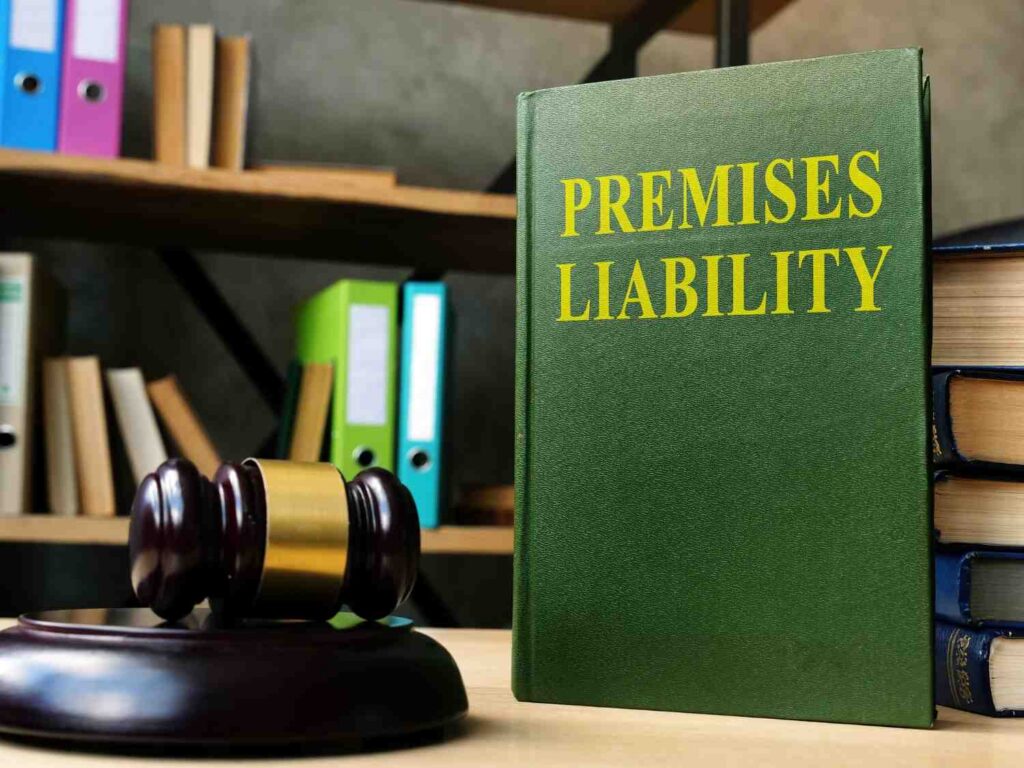
Premises liability refers to accidents caused by unsafe conditions on another person’s property. These claims are based on the idea that property owners and those responsible for maintaining a property should take reasonable care to reduce foreseeable risks.
Not every accident automatically results in a legal claim. The key question is often whether the property owner knew, or reasonably should have known, about a dangerous condition and failed to address it.
Common Examples of Premises Liability
Unsafe property conditions can exist in many different places, including stores, restaurants, apartment complexes, office buildings, and private residences.
Examples of hazards that may lead to a premises liability claim include:
- Wet or slippery floors.
- Uneven sidewalks or walkways.
- Broken stairs or missing handrails.
- Inadequate lighting in parking lots or stairwells.
- Falling merchandise or unsecured objects.
Each situation must be evaluated based on its own facts, including how long the hazard existed and whether reasonable steps were taken to correct it.
What Must Be Proven?
Being injured on someone else’s property does not automatically mean the owner is legally responsible.
A successful claim often depends on evidence showing that:
- A hazardous condition existed.
- The owner knew or should have known about the hazard.
- Reasonable steps were not taken to repair or warn visitors about the danger.
- The hazardous condition caused the injury.
Photographs, surveillance footage, witness statements, and maintenance records can all help establish what happened.
Why Prompt Action Can Make a Difference
Conditions on a property can change quickly after an accident. A spill may be cleaned up, damaged flooring repaired, or security footage overwritten. Gathering evidence as soon as possible can make it easier to document the condition that caused the injury.
Seeking medical care promptly is also important, as medical records help connect your injuries to the incident.
Discuss Your Premises Liability Claim With an Attorney
Premises liability cases often require a careful review of both the property conditions and the circumstances surrounding the injury. If you were hurt on someone else’s property in Charlotte or elsewhere in North Carolina, the personal injury attorneys at Dewey, Ramsay & Hunt, P.A. can explain your legal rights and evaluate whether you may have a premises liability claim.
Call 704-377-3737 or contact us online today for a free consultation. We provide personalized legal representation, and you pay no attorney’s fees unless we recover compensation for you.
Your Injury, Our Fight. How can we help you take a stand?
Because every case is different, the description of awards and cases previously managed by our law firm does not guarantee a similar outcome in current or future cases.
