
 704-377-3737





Charlotte’s rapid growth, heavy traffic, and expanding infrastructure have contributed to an increase in serious crashes across the city. Intersections, in particular, present a high risk because they bring together multiple traffic flows, turning movements, and vulnerable road users in a confined space. In urban areas like Charlotte, a significant portion of crashes occur at intersections due to congestion, driver decision-making, and visibility challenges.
Understanding where these high-risk intersections are located and why they are dangerous can help drivers, pedestrians, and cyclists stay more alert and reduce the risk of injury.
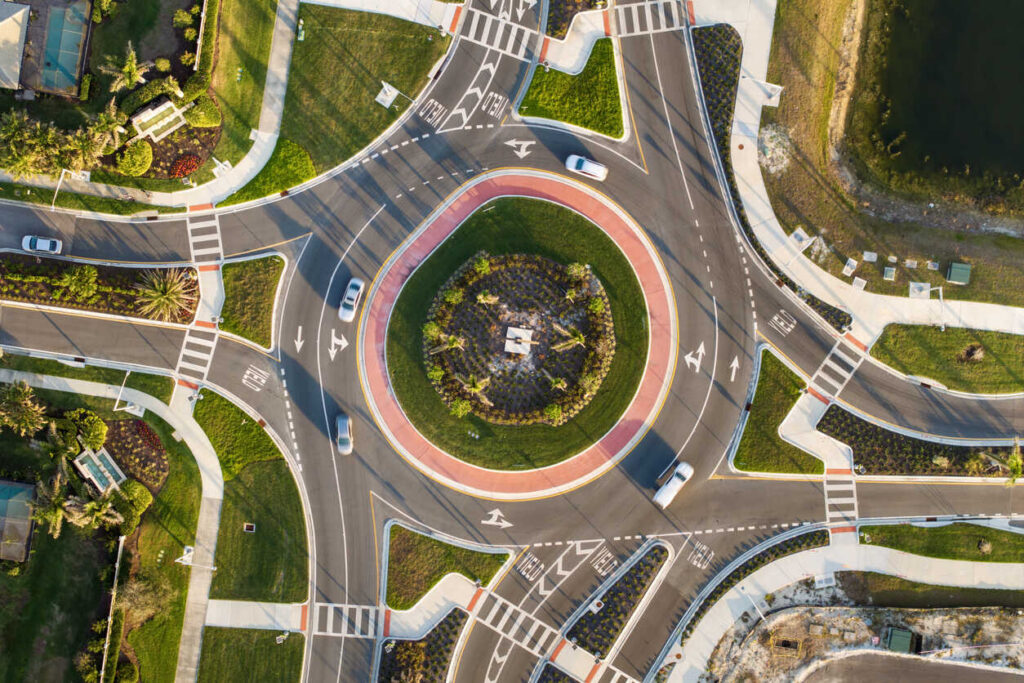
Intersections With the Highest Crash Rates in Charlotte
Recent traffic data and reports from local agencies and media outlets highlight several intersections that consistently experience high crash rates.
Some of the most dangerous intersections in Charlotte include:
- Sugar Creek Road and North Tryon Street.
- Josh Birmingham Parkway and Wilkinson Boulevard.
- Albemarle Road and Lawyers Road.
- Albemarle Road and W.T. Harris Boulevard.
- Brookshire Boulevard and North Hoskins Road.
According to WSOC-TV, based on city data, Sugar Creek Road and North Tryon Street recorded 66 crashes in a single year, making them among the most dangerous intersections in the city. Other intersections listed above each saw dozens of crashes annually, often due to heavy traffic volume and complex traffic patterns.
Other High-Risk Intersections and Traffic Corridors
In addition to the highest-ranking crash locations, several other intersections and roadway junctions are frequently identified as hazardous due to congestion, design, and driver behavior.
Notable areas include:
- I-77 and I-277 interchanges.
- Independence Boulevard and Central Avenue.
- Tryon Street and South Boulevard.
- North Graham Street and 16th Street.
- East Mallard Creek Church Road and Stone Quarry Road.
These areas often involve highway merging, high speeds, and dense urban traffic, increasing the likelihood of collisions.
Why These Intersections Are So Dangerous
Several factors contribute to why certain intersections in Charlotte see more crashes than others. These are not random locations. Instead, they often share common characteristics that increase risk.
Key contributing factors include:
- High traffic volume from commuters and commercial vehicles.
- Complex lane configurations and turning patterns.
- Limited visibility due to road design or surrounding structures.
- Frequent merging between highway and local traffic.
- Distracted or aggressive driving behaviors.
Charlotte has also experienced significant roadway construction and development in recent years, which can create temporary hazards and confusion for drivers unfamiliar with changing traffic patterns.
Get Help After an Intersection Accident in Charlotte
If you were injured in a crash at a dangerous intersection in Charlotte or anywhere in North Carolina, you may have questions about your legal options. These cases can be complicated, particularly when multiple vehicles or road users are involved.
Our personal injury attorneys at Dewey, Ramsay & Hunt, P.A., are ready to review your case and help you understand the next steps. Call 704-377-3737 or contact us online today for a free consultation. We provide unique legal services tailored to each client’s needs and do not get paid unless you do.
Your Injury, Our Fight. How can we help you take a stand?
Because every case is different, the descriptions of awards and issues previously handled by our law firm do not guarantee a similar outcome in current or future cases.
Author

Attorney Brian Hunt earned his Juris Doctorate from Elon University School of Law. Mr. Hunt cut his teeth as an attorney working relentlessly on a three-week trial in Mooresville, NC, which is where he first met Mr. Dewey. Mr. Hunt & Mr. Dewey were able to settle the claim to the satisfaction of all parties involved.
